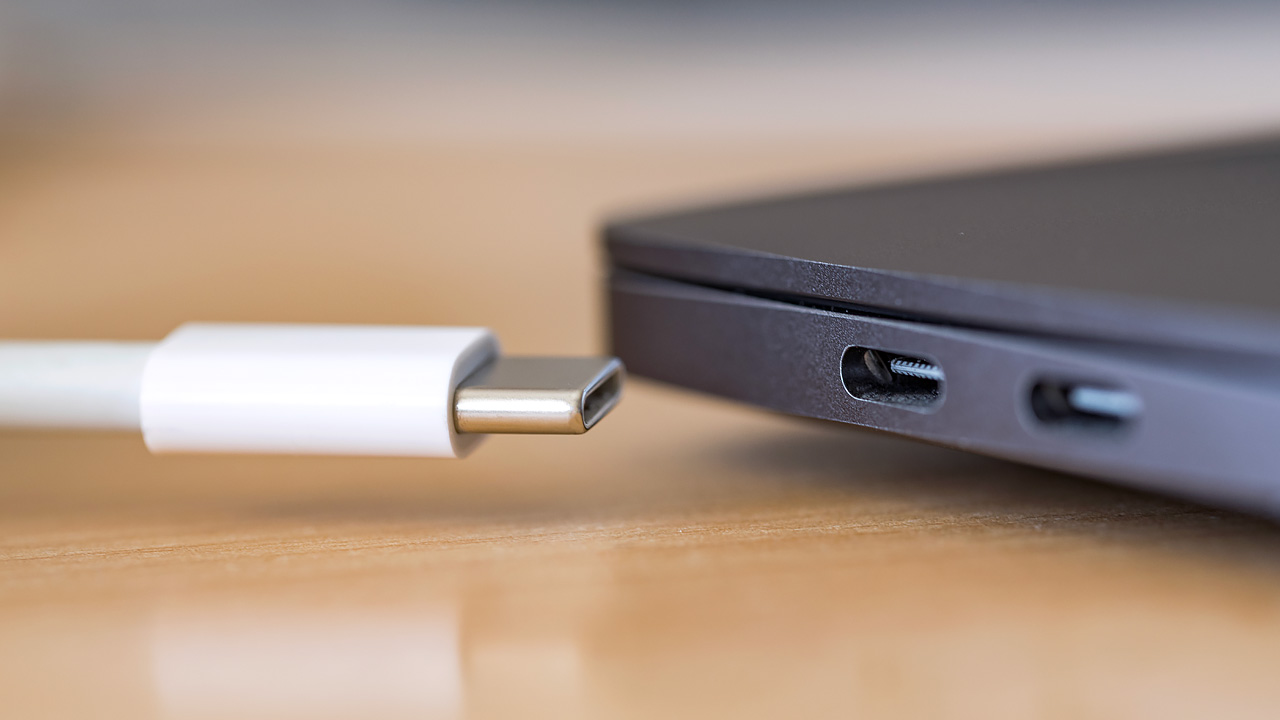
Understanding USB Power Delivery: The Future of Fast Charging
USB Power Delivery (USB PD) is revolutionizing the way we charge our devices, allowing for faster and more efficient power transfer. Unlike traditional USB charging, which typically delivers a maximum of 2.5 watts to a device, USB Power Delivery can deliver up to 100 watts. This capability not only means quicker charging times for smartphones and tablets but also supports larger devices like laptops. The flexible power direction feature of USB PD allows devices to negotiate their power needs, making it possible for a single charger to adapt to various devices, thereby reducing the number of chargers needed for a household or office.
As we move into a future where connectivity and efficiency are paramount, USB Power Delivery stands out as an essential technology. With the proliferation of smart devices, the demand for charging solutions that can keep pace with our mobile lifestyles is greater than ever. As more manufacturers adopt this standard, users will benefit from faster charge times and improved compatibility across devices. Additionally, the sustainability aspect cannot be ignored; reducing the number of chargers and cables in circulation helps decrease electronic waste, aligning with global efforts towards a more sustainable tech ecosystem.
If you're looking for durability and reliability, check out our list of the Top 10 Braided USB C Cables. These cables offer a combination of style and strength, making them perfect for everyday use. Whether you need them for fast charging or data transfer, our selection will meet your needs while providing excellent protection against wear and tear.
How USB Power Delivery Works: A Deep Dive into Its Technology
USB Power Delivery (USB PD) is an advanced charging protocol that enhances the capabilities of standard USB connections by enabling higher power levels and more intelligent charging. Unlike traditional USB standards that are limited to lower power transfer, USB PD can deliver up to 100 watts (20 volts at 5 amps), making it suitable for charging various devices, including laptops, tablets, and smartphones. The technology operates using a communication protocol that allows devices to negotiate power requirements over the USB connection, ensuring that the right amount of power is delivered efficiently and safely.
The core of USB Power Delivery lies in its ability to facilitate bidirectional power flow. This means not only can a device receive power, but it can also act as a power source for another device. For example, when a smartphone is connected to a USB PD charger, it can receive power while being capable of charging other devices, such as wireless earbuds. Furthermore, USB PD uses a structured communication protocol to dynamically adjust voltages and currents during operation, optimizing the charging process and enhancing the lifespan of the battery.
Is Your Device Compatible with USB Power Delivery? Here's How to Check
Understanding whether your device is compatible with USB Power Delivery (USB PD) can significantly enhance your charging experience. To check compatibility, start by examining your device's specifications. Look for signs that indicate support for USB PD, such as the presence of a USB-C port or mentions of fast charging capabilities. If your device is relatively new, chances are that it will support this technology, but double-checking through the manufacturer's website or user manual is always a smart move.
Another quick way to determine if your device utilizes USB Power Delivery is to check the charger and cable you’re using. If they come labeled as USB PD certified, this is a good indication that your device is compatible. Additionally, you can use tools or apps designed to read device specifications, providing insight into the charging protocols supported by your device. By taking these steps, you can ensure that your device maximizes charging efficiency with USB PD.