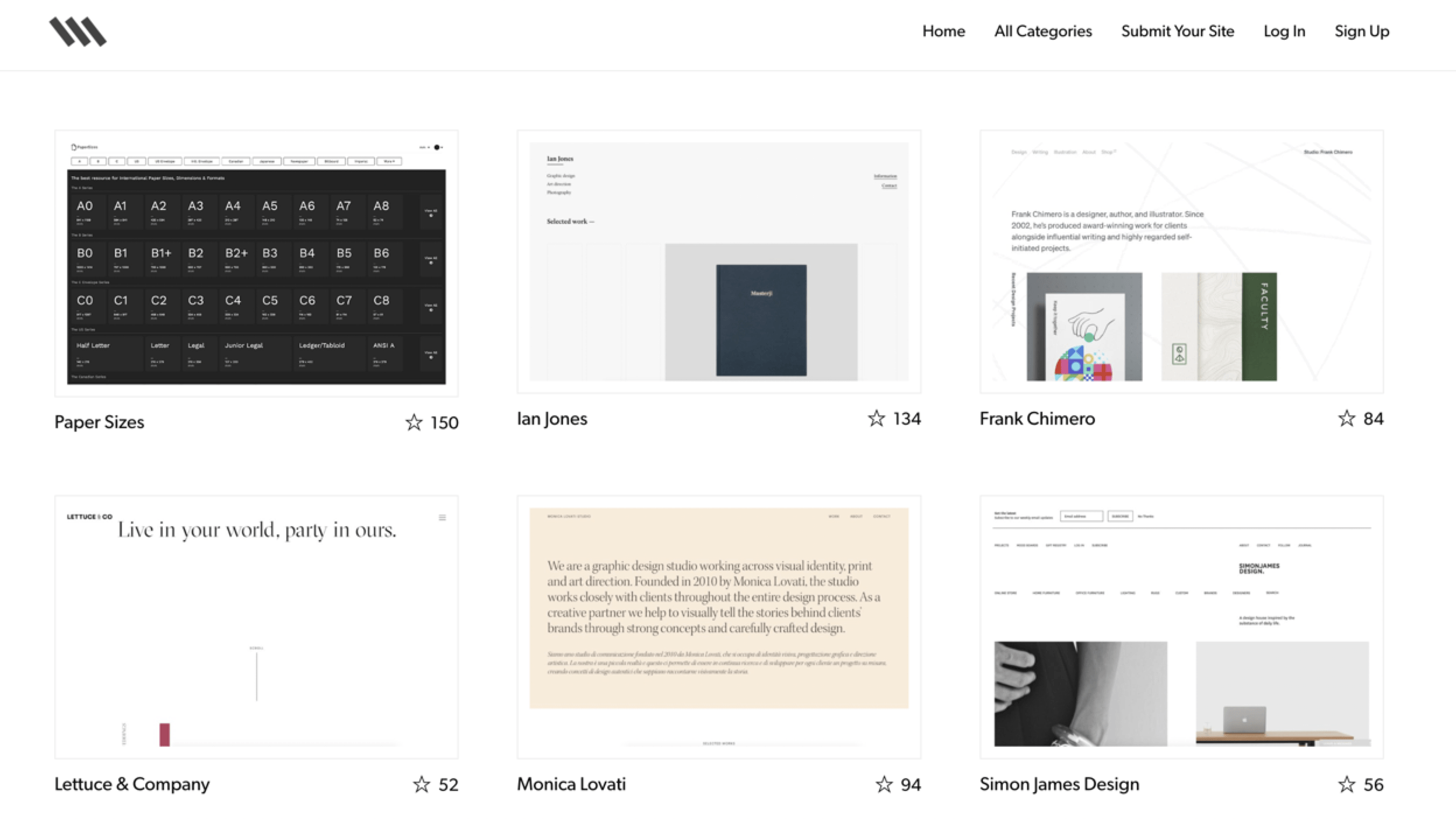
The Art of Minimalism: How Simplifying Your Website Can Boost Engagement
The Art of Minimalism in web design revolves around stripping away the unnecessary elements that can overwhelm users. By simplifying your website, you create a clean and intuitive interface that not only boosts aesthetic appeal but also enhances user experience. A minimalistic approach allows visitors to focus on the content you want them to engage with, whether it's reading a blog post, signing up for a newsletter, or making a purchase. This concept is essential in today’s fast-paced digital environment where attention spans are short.
Implementing minimalism involves several key strategies:
- Reduce clutter by eliminating excessive graphics and text.
- Use ample white space to guide the user's attention and make content easily digestible.
- Prioritize essential features that enhance usability, such as streamlined navigation.
By following these principles, you increase user engagement as visitors are more likely to explore your content without distractions. Ultimately, simplicity can lead to higher conversion rates and a more satisfying user experience.
Is Your Website Overcomplicated? Signs It's Time to Simplify
In today’s fast-paced digital landscape, a cluttered website can alienate visitors and undermine your brand's credibility. If you notice an increasing bounce rate or declining user engagement, it might be a sign that your website is overcomplicated. Here are a few indicators to gauge the complexity of your site:
- Too Many Navigation Options: If users have to sift through multitudes of links to find what they need, it’s time to streamline.
- Slow Load Times: Overloaded graphics and excessive content can lead to slower page speeds, frustrating users.
- Unclear Calls to Action: If your audience is unsure of what to do next, your website might be confusing.
Simplifying your website can enhance user experience and boost your SEO performance. By reducing clutter, you not only improve the aesthetic appeal but also help search engines better understand your content. Consider implementing minimalistic design principles, such as:
- Fewer Images and Graphics: Only use visual elements that serve a clear purpose.
- Streamlined Content: Distill your messages to the essentials; avoid long paragraphs.
- Mobile Optimization: Ensure your site is easily navigable on smaller screens.
By making these changes, you can create a more effective online presence that resonates with your target audience.
Less Clutter, More Clarity: The Essential Guide to Website Simplification
In today's fast-paced digital world, a cluttered website can obscure your message and frustrate visitors. Website simplification is essential for enhancing user experience and ensuring that your content resonates. Focus on clear navigation and streamlined design to guide your visitors effortlessly through your site. Consider prioritizing essential elements over unnecessary distractions. This can include:
- Minimizing text to ensure conciseness.
- Reducing the number of images and videos.
- Using white space effectively to create breathing room.
The benefits of a simplified website extend beyond aesthetics; they contribute significantly to SEO performance. A less cluttered site not only improves load times but also enhances mobile usability. Search engines favor user-friendly websites, leading to better rankings and increased visibility in search results. Remember, the ultimate goal is to provide clarity and purpose to every visitor. By embracing website simplification, you're not just enhancing your site's appearance—you're creating an oasis of information that attracts and retains users.